Cycle Ferry Portsmouth to St Malo: The Complete Cycling Guide 2026

Cycling on the Portsmouth to St Malo ferry is one of the finest cycle-touring experiences in Europe. Brittany Ferries welcomes cyclists on all sailings, and the moment you roll off the ramp in St Malo you have one of the world’s great coastal cycling destinations at your wheels — the Vélomaritime / EuroVelo 4, quiet Breton lanes, and easy access to Mont Saint-Michel. This guide covers everything you need to know: booking your bike, what the overnight ferry journey is actually like, boarding and disembarking at both ports, and the best cycling routes to ride straight off the ferry.

Last updated: March 2026 | Information verified from official sources
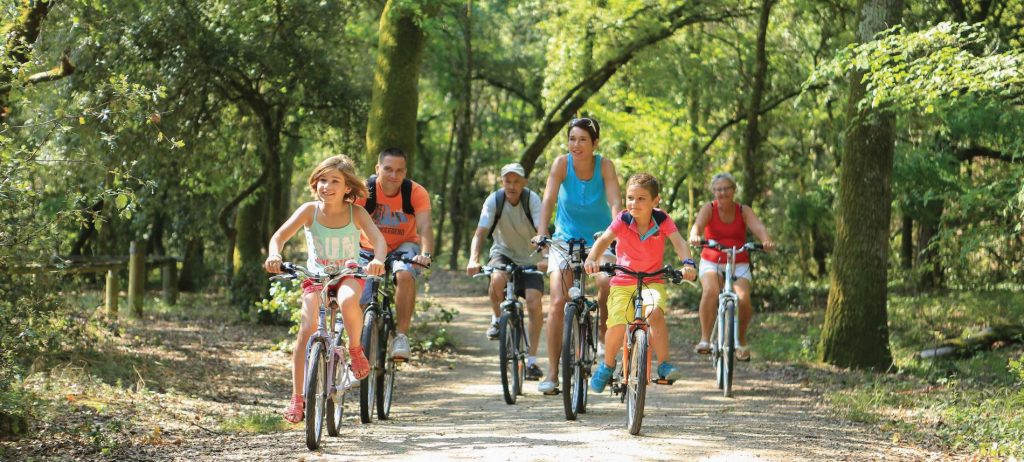
Family cycling in a forest. cycling on the Portsmouth to St Malo ferry

🚲 Cycle Ferry Portsmouth to St Malo — Fast Facts

£62+
Typical bike supplement
60 min
Check-in before departure
1,400km
Vélomaritime EV4 route
~10 min
Ride from port to St Malo
  • Bikes are welcomed on all Portsmouth to St Malo sailings — book your bicycle at the same time as your ticket
  • Cabin compulsory on the overnight sailing from Portsmouth — you cannot travel without one
  • Cyclists check in with foot passengers — same terminal building, same 60-minute minimum check-in time
  • Priority boarding — if you arrive and check in on time, cyclists are typically allowed on before the cars
  • Bike secured on board — staff will guide you to a storage area on the vehicle deck; your bike will be tied to the floor, wall, or railing
  • Book at Brittany Ferries →

Can You Take a Bike on the Portsmouth to St Malo Ferry?

Yes — Brittany Ferries accepts bicycles on all sailings on the Portsmouth to St Malo route. Cyclists without a car travel as cycle-passengers, booking a standard passenger fare plus a bicycle supplement. You do not need a vehicle; your bike is the vehicle.

The Portsmouth to St Malo route is one of the most popular ferry crossings for cycle-tourists in the UK. St Malo sits at the start of the Vélomaritime (EuroVelo 4) coastal route and is the gateway to some of the finest cycling in northern France. Many cyclists use the overnight sailing from Portsmouth to maximise time in Brittany, arriving in St Malo early morning and riding straight off the boat.

⚠️ Important: Book your bike when you book your ticket. Bicycle spaces on the vehicle deck are limited. If you turn up at the port without a booked bicycle space, you may be refused boarding. Always add your bicycle at the point of booking – do not leave it to chance, especially in peak season.

Cycling on the Portsmouth to St Malo Ferry: Prices 2026

Cycle ferry fares on the Portsmouth to St Malo route start from £62 per person — this is the combined passenger fare including your bicycle. Pricing is dynamic and varies by date and demand, so booking early gets you the best rate. On the overnight sailing from Portsmouth, a cabin is compulsory for all passengers including cyclists — this is an additional cost on top of your fare. Tandems, trailers, and other special requests cannot be booked online and must be arranged by phone on 0330 029 5361.

Item Typical Price Notes
Ferry price (per person including bicycle) £62+ Dynamic pricing — book early for best rates. Cabin compulsory on overnight sailing — add below.
4-Berth Inside Cabin (compulsory overnight) £70+ Budget cabin. Bunk beds, ensuite, VOD. Best value for groups.
2-Berth Club Cabin £100+ Twin beds, ensuite, tea & coffee. Comfortable for two cyclists.
Tandems Accepted Must be booked by phone — call 0330 029 5361. Cannot be booked online.
E-bikes Accepted Standard bike supplement applies. Battery regulations may apply — see below.
Folding bikes (bagged) FREE A folding bike in a bag counts as hand luggage. No supplement needed.

💡 Booking tip: Cyclist fares start from £62 per person including your bicycle. Pricing is dynamic — book as early as possible for the best rates, as peak summer sailings cost significantly more. For tandems, trailers, and all other special requests, you must call 0330 029 5361 — these cannot be booked online.

🔋 E-bike battery note: E-bike batteries must comply with Brittany Ferries’ dangerous goods policy. Batteries should be standard lithium-ion packs within normal e-bike specifications. If you have a particularly large or aftermarket battery, contact Brittany Ferries directly before travelling to confirm acceptance. Spare/detached e-bike batteries carried in luggage may be subject to separate airline-style restrictions.

Getting to Portsmouth International Port by Bike

Portsmouth International Port is well-connected for cyclists arriving under their own steam. The city has an improving cycling infrastructure, and the port itself is accessible on two wheels — though the terminal environment is designed for heavy vehicles, so plan your approach carefully and follow signage.

🚲 Cycling to the Port

Portsmouth has a National Cycle Network (NCN) route running through the city. NCN Route 2 passes close to the port area. The waterfront approach along the harbour is largely flat and manageable. Allow extra time to navigate the port approach roads, which are shared with heavy goods vehicles.

There is no dedicated cycle parking at the terminal — you will bring your bike with you into the check-in process.

🚆 Train + Bike to Portsmouth

Bringing your bike by train is a popular option. Most bikes can travel on South Western Railway services to Portsmouth, but booking a bike space is strongly recommended, especially at peak times. Non-folding bikes generally cannot travel on trains during busy commuter hours.

Portsmouth Harbour station is the closest station to the ferry terminal — a short, flat ride of around 10 minutes. Always book your bike space on the train in advance through National Rail or the train operator’s website.

🚗 Car + Bike to the Port

Many cycle-tourists drive to Portsmouth and park, travelling as foot passengers with their bikes. Long-stay parking is available at and near Portsmouth International Port.

Remove bikes from roof racks or carriers before entering the port approach, as there are height restrictions on some roads. Unload your bike outside the port gate area and proceed on foot/bike to the terminal building.

⚠️ Portsmouth Clean Air Zone: Portsmouth operates a Clean Air Zone (CAZ) affecting certain older vehicles. This does not affect cyclists. If you are being dropped off by car or taxi, check whether the vehicle is subject to the CAZ charge at gov.uk.

Step-by-Step: Checking In and Boarding at Portsmouth with Your Bike

The process for cyclists at Portsmouth is almost identical to the foot passenger process — you use the same terminal building and check-in desks, not the vehicle lanes. Here is exactly what to expect from arrival to boarding.

1

Arrive at the Terminal Building — 60 Minutes Before Departure

Follow signs to Portsmouth International Port and the Brittany Ferries terminal building. Cyclists do not join the vehicle check-in lanes — head to the terminal building on foot with your bike. Check-in closes 60 minutes before departure, the same as for foot passengers. For the 20:15 sailing, aim to arrive by 18:45 at the latest. Arriving earlier gives you the best chance of priority boarding before the cars.

2

Check In at the Brittany Ferries Desk

Go to the Brittany Ferries check-in desk with your booking reference, valid passport, and bicycle. Staff will confirm your bike is on the booking. Your boarding card doubles as your cabin key. You will be directed to wait in the terminal or a holding area with your bike until boarding is announced. The terminal has a Costa Coffee and bar, toilets, and a small travel shop.

3

Passport Control & Security

When boarding is called, make your way to the boarding gate with your boarding card and passport ready. You and your bike will go through passport control and security together. Keep your bike panniers and bags accessible in case of a spot check. Pannier bags may need to come off for the security check — allow a few extra minutes for this.

4

Walking to the Ramp — and Boarding Before the Cars

After security, cyclists make their way with foot passengers to the bottom of the vehicle boarding ramp. You will wait here until the port team gives the signal to board. If you have checked in on time and arrived early, cyclists are typically allowed to board before the cars — this gives you time to get your bike settled before the vehicle deck fills. When given the go-ahead, dismount and push your bike up the ramp — riding up the ramp is not permitted.

5

On Board — Bike Secured by Staff

Once on board, a member of the ferry crew will guide you to where your bicycle should be stored on the vehicle deck. Your bike will be secured for the crossing — it may be tied to the floor, attached to a wall fitting, or fastened to a railing, depending on where space is available. Staff do the securing. Remove all your luggage — panniers, bags, anything attached to the bike — and take it to your cabin. You will not be able to return to the vehicle deck during the crossing.

💡 Luggage tip: Remove everything from your bike before boarding — panniers, bar bags, frame bags, handlebar bags, and anything else attached. You carry all your bags up to your cabin yourself. The vehicle deck is closed to passengers once the sailing is underway. Bags left on the bike are not accessible during the crossing, so make sure you have everything you need for the night in your cabin bag.

Arriving in St Malo: Disembarking with Your Bike

The overnight sailing from Portsmouth arrives in St Malo at around 08:15. Disembarkation for cyclists is slightly different to boarding — you may need to wait while the cars disembark first, but the whole process is quick and you’ll be on your way in minutes.

1

Wait for the Announcement to Go to the Vehicle Deck

As the ship docks in St Malo, an announcement will be made over the PA system directing passengers to their vehicles. Head back down to the vehicle deck and retrieve your bike. Reattach your panniers and bags before the ramp opens.

2

Cars Disembark First — Then Cyclists Walk Down the Ramp

Vehicles are typically discharged from the car deck before cyclists are released. This is for safety reasons — the ramp is narrow and shared. Once the cars have gone, cyclists are given the all-clear. Walk your bike down the ramp — do not ride it. Once you reach the bottom of the ramp and are clear of the port vehicle area, you can remount and ride.

3

Ride to French Passport Control

Once off the ramp, you can ride to the passport control booths at the port exit. The ride from the ramp to passport control is short — just a few minutes. Have your passport ready and follow the signs for foot passengers and cyclists (not the vehicle lanes, unless directed). After passport control, you are free — the walled city of St Malo is less than 10 minutes’ ride from the port.

💡 St Malo arrival tip: The ferry arrives around 08:15 — cafés in the old town open from around 07:30. One of the great pleasures of this crossing is cycling straight off the boat, through the port gates, and into the ville close (walled city) for a French breakfast. The ride from the port to the Intra-Muros is flat and signed, taking around 5–10 minutes.

What Bikes Are Accepted on the Portsmouth to St Malo Ferry?

Brittany Ferries accepts the vast majority of bicycles on this route. Here is a summary of the different bike types and what to expect.

🚲 Standard Bikes

Road bikes, touring bikes, mountain bikes, hybrids — all accepted. Book the bicycle supplement at time of booking. No special preparation needed, though removing accessories that could snag is sensible.

⚡ E-Bikes

E-bikes are accepted. The standard bicycle supplement applies. Standard e-bike batteries (within normal manufacturer specifications) are fine. Check with Brittany Ferries directly if you have an aftermarket or unusually large battery pack.

🔄 Tandems

Tandems are accepted but must be booked by phone — they cannot be booked online. Call 0330 029 5361 to arrange your tandem booking.

📦 Folding Bikes

A folding bike that is folded and carried in a bag counts as hand luggage and can travel free of charge with no supplement. This is by far the cheapest way to travel with a bike on this route — though the Brompton experience on fully loaded touring isn’t for everyone.

🏕️ Bike + Trailer

Cycle trailers (cargo or child trailers) are accepted but may be charged separately and at a higher rate than a standard bike — historically equivalent to a car trailer charge. For trailers and other special equipment, please call 0330 029 5361 to confirm pricing and availability.

📦 Boxed or Bagged Bikes

Bikes packed in a cardboard box or bike bag are accepted. A boxed bike still requires a bicycle supplement (unless it is a folded folder in a bag small enough to count as hand luggage). This is useful if you want to protect a high-value bike during the crossing.

Cabin Options for Cyclists: What You Need to Know

On the overnight Portsmouth to St Malo sailing, a cabin is compulsory for all passengers — including cyclists. This is a non-negotiable requirement, not an optional upgrade. The cabin is where you sleep, store your gear, and recover for the next day’s cycling. Choosing the right cabin makes a real difference to how you feel when you step off the boat in St Malo.

Cabin Type From Price Best For Cyclists
4-Berth Inside Cabin £70+ Best value for groups of 2–4 cyclists travelling together. Bunk beds, ensuite shower and toilet, VOD. All you need for one night.
2-Berth Inside Club Cabin £100+ Good option for a cycling couple or solo touring cyclist. Twin beds, ensuite, tea & coffee, VOD. More space for spreading out bike bags and gear.
2-Berth Commodore Cabin £140+ Sea view, queen bed, Commodore lounge access, breakfast included. A real treat after a long ride to the port — and you arrive in France well-fed and rested.

💡 Cyclist cabin tip: Panniers and bike bags take up more room than a standard suitcase. If you are travelling with a fully loaded touring setup — multiple large panniers, a handlebar bag, a frame bag — a 2-berth cabin gives you noticeably more floor space to organise your gear and get a comfortable night’s sleep. The 4-berth bunk is a squeeze if you’re loading in with four full sets of touring luggage.

Cycling in France: Rules of the Road

Cycling in France is a genuine pleasure — the roads are quiet, drivers are generally courteous to cyclists, and the infrastructure for cycle-tourists is excellent. But France does have specific rules for cyclists that differ from the UK. Make sure you know these before you ride off the ferry.

⛑️ Helmets

Helmets are not legally required for adults in France, but are strongly recommended. Children under 12 must wear a helmet — this is a legal requirement, with a fine of up to €750. As a touring cyclist, wearing a helmet is simply good sense on unfamiliar roads.

🦺 High-Vis Vest

Mandatory for all cyclists riding outside built-up areas at night or in poor visibility. Fine up to €150 for non-compliance. Pack a certified reflective gilet in your panniers — it takes up almost no space and could save your life on an unlit country road at dusk.

💡 Lights & Reflectors

Mandatory at night: a white/yellow front light and a red rear light, both functional. Also required: red rear reflector, white front reflector, and orange reflectors on pedals and wheels. Fines from €11–€38 per missing item.

🔔 Bell

A working bell is mandatory on all bikes in France. It must be audible at least 50 metres away. Fine up to €38. Make sure your bell actually works before you board — many touring cyclists remove them and forget to refit before crossing to France.

🎧 No Headphones

Earphones, headphones, and earbuds are illegal while cycling in France. Fine €135. You also cannot use a hand-held mobile phone while riding. Leave the podcast for the ferry and enjoy the sounds of Brittany.

🚗 Road Rules

Ride on the right. Two cyclists may ride abreast in daylight, but must ride single file at night or when being overtaken. If your group is larger than 10, split into smaller groups. Use cycle paths where they exist — cycling on the pavement is not permitted.

🍷 Alcohol and cycling: The same drink-drive limits apply to cyclists as to motorists in France. The limit is 0.5g/l blood alcohol (lower than the UK’s 0.8g/l). The fine is €135. Cycling back from a Breton cider tasting is fine — cycling back from a three-hour wine lunch is not.

Best Cycling Routes from St Malo

St Malo is one of the finest starting points for cycle-touring in Europe. You step off the ferry into a city that sits at the beginning of the Vélomaritime, within easy riding distance of Cancale, Dinan, Mont Saint-Michel, and some of the most dramatic coastline in France. Here are the routes to know.

La Vélomaritime / EuroVelo 4 — The Flagship Route

Distance: 1,400km total (Roscoff to Dunkirk) | From St Malo: Coastal riding east towards Cancale and Mont Saint-Michel
Difficulty: Easy to moderate | Terrain: Mix of quiet roads, greenways, and coastal paths | Signposting: Excellent throughout

The Vélomaritime (EuroVelo 4) is the great coastal cycling route of northern France, running from Roscoff in Brittany all the way to Dunkirk — over 1,400 kilometres of Channel coastline. St Malo sits on this route, making it the perfect base to join the trail directly off the ferry. Heading east from St Malo, the first stage takes you to Cancale (19km), the oyster capital of Brittany, along quiet coastal roads with views across the bay. Beyond Cancale, the route continues through the Bay of Mont Saint-Michel — arguably the finest stretch of cycling on the entire route. The Vélomaritime is fully signed with EuroVelo 4 markers and is one of the most well-developed cycle routes in France, certified as complete since 2021. Find detailed stage maps and information at en.francevelotourisme.com

St Malo to Cancale (19km)

The first stage of the Vélomaritime east of St Malo. Past St Malo’s Plage du Minihic, through the village of Saint-Coulomb, and into Cancale’s famous oyster port. The carved rock sculptures of Rothéneuf are a highlight en route. Easy riding on a mix of minor roads and coastal paths. End with oysters and a glass of Muscadet on the harbour. Cancale is also a superb overnight base for those continuing east.

St Malo to Dinan via the Rance (35km)

One of the most popular cycle day trips from St Malo. Take the Compagnie Corsaire ferry to Dinard (bikes accepted — check with the operator for current pricing and seasonal schedule), then follow the Rance valley south to the medieval walled town of Dinan. The Ille-et-Rance canal towpath section is largely traffic-free and beautiful. Dinan’s cobbled streets and ramparts make it one of the finest cycling destinations in Brittany. Return by train to St Malo (bikes on TER trains — book ahead).

St Malo to Mont Saint-Michel (~60km)

A classic two-day ride along the Vélomaritime, overnighting in Cancale or Dol-de-Bretagne. The approach to Mont Saint-Michel across the bay flats is one of the most extraordinary cycling experiences in Europe — the abbey appears on the horizon and seems to grow as you ride towards it. The route is flat and well-signed, following the EuroVelo 4 markers throughout.

V2 Greenway: St Malo / Dinard to Rennes (~80km)

The V2 Vélodyssée Greenway (part of France’s celebrated voies vertes network) links the St Malo / Dinard area to Rennes on largely traffic-free converted railway lines and towpaths. This is an excellent route for cyclists who prefer off-road or low-traffic riding — the voie verte sections are smooth, flat, and well-maintained. Rennes is an excellent city with onward train connections across France. The full route is around 80km and suits all fitness levels.

Top Tips for Taking Your Bike on the Portsmouth to St Malo Ferry

  • Book your cycle ferry ticket and bike supplement together: Spaces are limited and the supplement uses dynamic pricing — the later you book, the more you pay, and late summer sailings can sell out for cyclists.
  • Check your bike before you travel: Make sure brakes, gears, tyres, and lights are all in working order before you leave home. A breakdown in rural Brittany is no fun — and a bike shop is not always around the corner.
  • Pack a French cycling kit: Working bell, front and rear lights, reflectors on pedals and wheels, and a certified high-vis gilet. These are legal requirements in France, not optional extras.
  • Remove all luggage before the crossing: Take every bag off your bike before going through security and boarding. You cannot return to the vehicle deck during the sailing — anything left on the bike is inaccessible until disembarkation.
  • Arrive early for priority boarding: Cyclists who check in promptly and are waiting at the ramp when boarding opens are typically allowed on before the cars. This gives you time to settle your bike before the deck fills up.
  • Use the overnight ferry to your advantage: The overnight sailing arrives in St Malo at around 08:15. You wake up in France, have breakfast on board (or in the old town), and you have a full day of riding ahead. It’s one of the most civilised ways to start a cycling holiday imaginable.
  • Carry a basic repair kit: Spare inner tubes, tyre levers, a multi-tool, a pump, and a patch kit. French roads are excellent but punctures happen — and a rural Breton village at lunchtime on a Sunday is not the place to discover you have no spares.
  • Download offline maps: Apps like Komoot and Ride with GPS work offline and have excellent coverage of Brittany’s cycling routes. The Vélomaritime is on both. Download your route before you board so you are not dependent on mobile data the moment you disembark.

Cycle Ferry Portsmouth to St Malo — Frequently Asked Questions

Do I need to book my bike in advance, or can I just turn up?

You must book your cycle ferry ticket and bicycle supplement in advance — do not turn up at the port without a booked bike space. Spaces on the vehicle deck are limited, and if the sailing is full for bikes you will be refused boarding. Always add your bicycle supplement when booking your passenger ticket at brittany-ferries.co.uk.

How much does the bicycle supplement cost in 2026?

The bicycle supplement uses dynamic pricing — it varies by date, demand, and how far in advance you book. Prices start from £62 per person per bike. The supplement uses dynamic pricing — it varies by date and demand, and peak summer sailings will cost more. Book early for the best rates. For tandems, trailers, and special requests, call 0330 029 5361.

Is a cabin really compulsory? Can I just sleep in a lounge or on deck?

Yes — a cabin is compulsory on the overnight Portsmouth to St Malo sailing for all passengers, including cyclists. This is a firm Brittany Ferries policy and cannot be waived. You cannot travel in lounges or on open decks overnight on this route. The cheapest option is a 4-berth inside cabin, shared between up to four people.

Will my bike be safe on the vehicle deck during the crossing?

Yes. Ferry crew secure all bicycles on the vehicle deck before the ship sails. Your bike will be tied or strapped to a fixed point — the floor, wall, or a railing — so it cannot move during the crossing. The vehicle deck is a secure area and is not accessible to other passengers. Remove all your bags before boarding and take them with you.

Can I take my e-bike on the ferry?

Yes, e-bikes are accepted. The standard bicycle supplement applies. Standard e-bike battery packs within normal manufacturer specifications are fine. If you have an unusually large capacity or aftermarket battery, contact Brittany Ferries before travelling to confirm it is acceptable. Spare or detached batteries in luggage may be subject to separate restrictions — check at time of booking.

Do I need to wear a helmet in France?

Helmets are not legally required for adult cyclists in France. However, they are legally required for children under 12 (fine up to €750). The French government strongly recommends helmets for adults. As a touring cyclist on unfamiliar roads, wearing a helmet is straightforward good sense.

Where do cyclists go when they arrive in St Malo?

After walking your bike down the disembarkation ramp (once the cars have been released), you can ride to the passport control booths at the port exit. The ride is short — a few minutes at most. Once through passport control you are free to ride directly into St Malo. The walled city (Intra-Muros) is around 5–10 minutes’ ride from the port.

Can I hire a bike in St Malo instead of bringing my own?

Yes — St Malo has several bike hire shops offering road bikes, touring bikes, e-bikes, and children’s bikes. Hire is a good option for foot passengers who want to cycle once in France without the hassle of transporting a bike. Book hire bikes in advance during peak season, as quality touring bikes get reserved quickly. Staff at your accommodation or the St Malo tourist office can recommend current hire operators.

Continue Planning Your Portsmouth to St Malo Trip

🛏️

Cabin Guide

Every cabin grade on MV Saint-Malo and Armorique — from 4-berth to Commodore suite

Cabins Guide →

Ferry Timetable

Full 2026 sailing schedule — departure times, seasonal dates, and frequency

Timetable →

Portsmouth Port Guide

Parking, getting there, terminal facilities, check-in and EV charging at Portsmouth port

Port Guide →

🗺️

St Malo City Guide

Ramparts, beaches, restaurants, attractions and the best of St Malo on arrival

St Malo Guide →

Ready to Book Your Cycling Crossing?

Book your passenger ticket and bicycle supplement together at Brittany Ferries. Remember: book early for the lowest bike supplement prices, and always add your bicycle at time of booking — don’t leave it until later.